Introduction
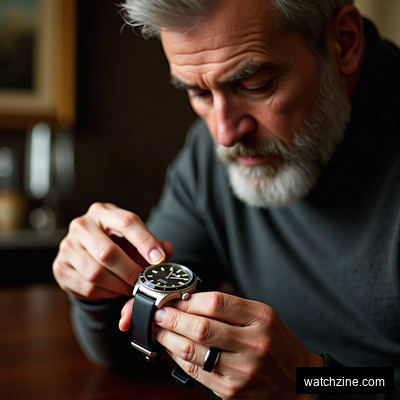
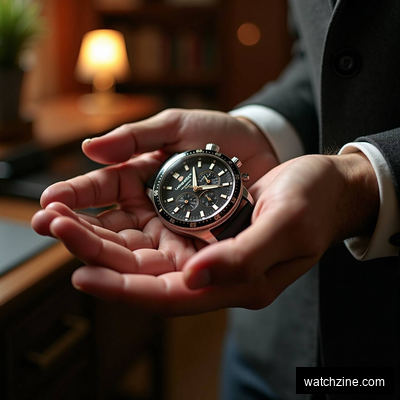
The luxury watch industry, with its centuries-old tradition, is experiencing a seismic shift due to the infusion of modern technology. Horological innovations, once the preserve of mechanical advancements and artisanal craftsmanship, now encapsulate a broader spectrum, incorporating cutting-edge technologies that redefine what luxury watches can offer. This evolution isn't just about adding digital interfaces or connectivity; it's about enhancing precision, durability, and functionality, while still adhering to the ethos of luxury and exclusivity.
In this comprehensive exploration, we will delve into how modern technology is not only reshaping the luxury watch industry but also how it's being seamlessly integrated into the fabric of horological excellence. From smart integrations and advanced materials to revolutionary manufacturing processes and sustainability efforts, each innovation marks a step forward in the timeless journey of luxury watches. As we navigate through these technological advancements, we'll uncover the impact they're having on design, user experience, and the industry's future.
Building upon the established foundation laid out in the "Introduction", it's fascinating to delve deeper into the historical significance of luxury watches. From the intricate craftsmanship of Swiss watchmakers to the innovative technologies driving modern timepieces, each watch tells a story of artistry and precision. Exploring the evolution of iconic brands like Rolex and Patek Philippe can provide valuable insights into the timeless allure of these luxurious accessories. Furthermore, understanding how consumer preferences have shaped the industry over time can shed light on the current landscape of luxury watchmaking. This section sets the stage for a captivating journey through the world of horology, where tradition meets innovation in perfect harmony.
Smart Integration in Luxury Watches
The integration of smart technology into luxury watches is perhaps the most visible sign of modern innovation within the industry. Brands like TAG Heuer, Montblanc, and Louis Vuitton have embraced this trend, offering models that combine traditional craftsmanship with the capabilities of smartwatches. These smart luxury watches provide a multitude of functions, including fitness tracking, notifications, and even mobile payments, all while maintaining the aesthetic and build quality expected of high-end timepieces.
For instance, TAG Heuer's Connected series seamlessly blends the brand's racing heritage with contemporary technology. Featuring GPS, heart rate monitoring, and a customizable digital face, the Connected series maintains a luxury feel with high-grade materials and Swiss craftsmanship. Montblanc's Summit series, on the other hand, focuses on a classic look while incorporating features like voice translation and stress tracking, catering to the needs of modern professionals.
These smart integrations have not come without challenges, especially in terms of battery life and maintaining the timeless appeal of luxury watches. However, the industry's response has been to innovate further, developing more energy-efficient components and modular designs that allow for the integration of smart features without compromising on style or heritage.
One fascinating aspect of smart integration in luxury watches is the seamless blending of traditional craftsmanship with cutting-edge technology. Brands like TAG Heuer and Montblanc have embraced this trend by incorporating features like fitness tracking, notifications, and GPS into their high-end timepieces. These innovations not only enhance the functionality of the watch but also cater to the tech-savvy clientele seeking both elegance and modern convenience in their accessories. Imagine a luxurious watch that not only exudes sophistication but also allows you to track your daily activities or receive alerts discreetly – a perfect harmony of style and utility that defines the essence of smart integration in luxury watches.
The Revolution of Materials
Beyond smart technology, the materials used in luxury watches are undergoing a revolution, driven by the demand for durability, sustainability, and new aesthetics. Brands are exploring beyond traditional gold, silver, and stainless steel, incorporating materials like ceramic, silicon, and even recycled ocean plastics.
Omega's Seamaster Planet Ocean line, for example, showcases the brand's innovation with the "Deep Black" model, featuring a case made entirely of ceramic, known for its scratch resistance and color retention. Similarly, Panerai's Submersible Mike Horn Edition is notable for its use of Eco Titanium™, a recycled titanium that signifies the brand's commitment to sustainability. Moreover, Breitling has introduced the Superocean Heritage Ocean Conservancy Limited Edition, made with straps from ECONYL® yarn, a material crafted from recycled nylon waste.
These material innovations not only offer practical benefits, such as increased durability and reduced environmental impact, but also open new avenues for design and style, allowing brands to differentiate their offerings in a crowded market. Furthermore, the use of non-traditional materials can enhance the functionality of watches, with silicon parts in movements increasing precision by reducing friction and sensitivity to temperature changes.
The evolution of materials in luxury watches goes beyond aesthetics, with a focus on enhancing performance and durability. Titanium, known for its lightweight and robust properties, is gaining popularity in watchmaking, offering a perfect blend of strength and comfort for everyday wear. Furthermore, advancements in carbon fiber technology are reshaping the industry, providing timepieces with unparalleled strength-to-weight ratios and a futuristic look. These innovative materials not only elevate the design possibilities but also improve the overall quality and longevity of luxury watches, catering to the demands of modern consumers seeking both style and substance in their timepieces.
Advanced Manufacturing Techniques
The evolution of manufacturing techniques has been pivotal in the development of modern luxury watches. Precision engineering and micromechanics have reached new heights, thanks to advancements in CNC machining, laser engraving, and 3D printing. These technologies enable the creation of intricate designs and components that were previously impossible or prohibitively expensive to produce.
For instance, Richard Mille's use of CNC machining allows for the production of complex, skeletonized movements that are both lightweight and robust. Additionally, the brand's incorporation of 3D printing has led to the development of unique case materials, like the carbon TPT® used in the RM 11-03 Mc Laren Automatic Flyback Chronograph, which offers exceptional durability and a distinctive appearance.
These advanced manufacturing techniques not only enhance the physical attributes of watches but also allow for greater customization. Consumers can now specify materials, colors, and finishes, creating a watch that is truly unique. Moreover, the precision offered by these technologies ensures the utmost quality, reinforcing the luxury aspect of these timepieces.
Advanced Manufacturing Techniques in the watch industry have revolutionized the precision and intricacy of timepiece production. One notable example is the use of CNC (Computer Numerical Control) machines to craft intricate watch components with unparalleled accuracy. These machines can perform complex operations like milling, turning, and drilling with minimal human intervention, ensuring consistency and precision in every piece produced. Additionally, the integration of additive manufacturing technologies, such as 3D printing, has enabled watchmakers to create intricate designs and prototypes that were once thought impossible. This blend of traditional craftsmanship with cutting-edge technology showcases how Advanced Manufacturing Techniques continue to push the boundaries of innovation in the luxury watch industry.
Enhancing Sustainability
Sustainability is increasingly becoming a cornerstone of luxury watchmaking, with brands adopting eco-friendly practices across the entire lifecycle of their products. From sourcing materials responsibly to minimizing energy consumption in manufacturing and committing to recycling and conservation efforts, the industry is taking significant steps to reduce its environmental footprint.
Chopard, for example, has taken a leadership role with its "Journey to Sustainable Luxury" initiative, committing to using 100% ethical gold in its watches and jewelry. Similarly, Oris has introduced the Aquis Date Upcycle, a watch with a dial made from recycled PET plastic, highlighting the brand's commitment to ocean conservation. These initiatives not only reflect the brands' dedication to sustainability but also resonate with consumers who are increasingly looking for products that align with their values.
Moreover, the focus on sustainability extends to packaging, with many luxury watch brands redesigning their packaging to be reusable or made from recycled materials. This holistic approach to sustainability demonstrates the industry's commitment to not only creating timeless pieces but also ensuring that their production and lifecycle have a minimal environmental impact.
In the realm of luxury watchmaking, enhancing sustainability goes beyond just using eco-friendly materials. Many brands are now focusing on reducing their carbon footprint by implementing innovative production methods. For instance, some watchmakers are investing in renewable energy sources to power their manufacturing facilities, significantly cutting down on greenhouse gas emissions. Additionally, the trend of upcycling vintage timepieces has gained momentum, allowing customers to enjoy timeless designs while promoting a circular economy. These efforts not only align with sustainability goals but also showcase a commitment to environmental stewardship in the luxury watch industry.
Conclusion
The luxury watch industry stands at a crossroads, where tradition meets innovation. Modern technology, with its myriad applications, from smart integrations to revolutionary materials and manufacturing techniques, is reshaping the very essence of luxury watches. These innovations are not merely about keeping pace with the times; they are about setting new standards for quality, functionality, and responsibility in an age-old industry.
As we look toward the future, it's clear that the integration of technology in luxury watches will continue to evolve, driven by consumer demand for connectivity, personalization, sustainability, and, above all, a seamless blend of tradition and innovation. The challenge for luxury watch brands will be to navigate this evolution, ensuring that technology enhances rather than eclipses the timeless art of watchmaking. For enthusiasts and collectors, this era of horological innovation promises not just new gadgets but a new chapter in the storied history of luxury timepieces, one that honors the past while boldly stepping into the future.
In conclusion, the juxtaposition of tradition and innovation in the luxury watch industry is not only evident in the design and craftsmanship but also in the marketing strategies employed by leading brands. Take, for instance, the heritage watchmakers who have seamlessly integrated smart technology into their timepieces without compromising on the classic aesthetic appeal. This blend of old-world charm with modern functionality not only caters to traditional watch enthusiasts but also attracts a new generation of tech-savvy consumers. The industry's ability to adapt and evolve while staying true to its roots is a testament to its enduring legacy and timeless appeal.