Introduction
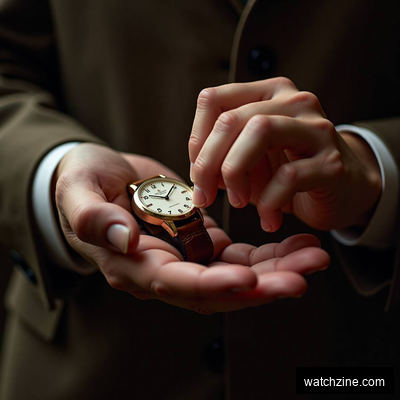
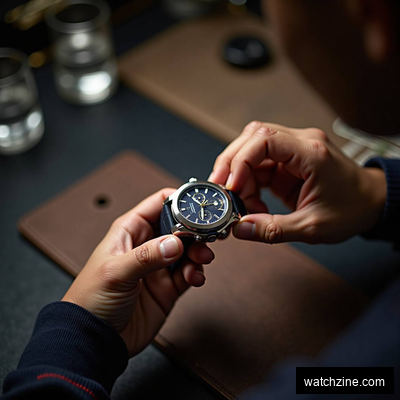
The world of high-end watch manufacturing is a fascinating realm where precision engineering meets artistry. Crafting a luxury timepiece is not merely about keeping time; it's a testament to centuries-old traditions, innovation, and the pursuit of perfection. This intricate process involves numerous steps, each demanding a high level of expertise and attention to detail. In this post, we will delve into the art behind high-end watch manufacturing, exploring the meticulous processes, the dedication of master watchmakers, and the innovation that drives the industry forward.
Understanding the complexity and craftsmanship involved in creating a luxury watch is essential for appreciating its value and beauty. From the initial design to the final assembly, each phase is crucial in shaping a timepiece's character, functionality, and aesthetic appeal. By examining specific examples, industry insights, and expert perspectives, we aim to unfold the layers of skill and creativity that define the elite world of high-end watch manufacturing.
The Introduction sets the stage for the mesmerizing journey into the world of high-end watch manufacturing. Delving into the intricacies of horology, it unveils the meticulous craftsmanship behind each timepiece. From the intricate movements of a tourbillon to the exquisite hand-finished dials, every detail speaks volumes about the passion and dedication of master watchmakers.
Design and Conceptualization
The journey of a high-end watch begins with an idea. This initial phase involves extensive research and creativity to develop a concept that embodies the brand's values, heritage, and vision for innovation. Designers and engineers work closely to sketch the watch's aesthetics while ensuring its technical feasibility. For instance, the iconic Patek Philippe Calatrava series reflects a commitment to elegance and simplicity, setting a benchmark in watch design. Similarly, the Audemars Piguet Royal Oak series broke the norms with its octagonal bezel, becoming a symbol of modern luxury watchmaking.
This stage also involves selecting materials that meet the brand's standards for quality and durability. Brands like Rolex and Omega, for example, have invested in developing proprietary alloys to enhance the longevity and appearance of their watches. Rolex's Oystersteel, known for its high corrosion resistance, and Omega's Sedna gold, celebrated for its unique rose gold hue, are testaments to the industry's dedication to material innovation.
Design and conceptualization are the cornerstones of any successful product development process. From sketching intricate details to creating mood boards that capture the essence of a brand, every decision made during this phase shapes the final outcome. For instance, in luxury fashion, the design process often involves collaborating with skilled artisans to bring intricate patterns and textures to life, ensuring each piece tells a unique story.
Craftsmanship and Assembly
Once the design is finalized, the watch enters the manufacturing phase, where artisans and technicians bring the concept to life. The creation of the watch case often involves dozens of processes, including cutting, polishing, and brushing, to achieve the desired shape and finish. For example, the Hublot Big Bang series showcases an intricate case design that combines multiple materials, including ceramics, rubber, and gold, through a complex assembly process.
The heart of the watch, the movement, is where the true artistry lies. Brands like Jaeger-Le Coultre and Vacheron Constantin are renowned for their in-house movements, meticulously assembled by master watchmakers. Jaeger-Le Coultre's Calibre 101, the world's smallest mechanical movement, exemplifies the brand's prowess in miniaturization and precision engineering. Each component, often no larger than a grain of rice, is handcrafted and assembled under magnification, highlighting the extraordinary skill and patience required in high-end watchmaking.
Craftsmanship and assembly are not just steps in the manufacturing process but reflections of dedication and precision. Each intricate piece meticulously crafted by skilled hands, ensuring that every gear fits perfectly into place, creating a harmonious symphony of movement. The assembly process requires a keen eye for detail, as technicians delicately assemble each component with precision and care, culminating in a timepiece that embodies true artistry.
Innovation and Technology
Innovation is a driving force in high-end watch manufacturing, with brands continuously pushing the boundaries of what's possible. The use of new materials, the development of groundbreaking movements, and the integration of smart features are testament to the industry's forward-thinking approach. The Richard Mille RM 56-02 Sapphire is a prime example, featuring a case entirely made from sapphire crystal, offering unparalleled durability and transparency.
Technological advancements have also led to the creation of more accurate and reliable movements. The Seiko Spring Drive, a hybrid movement that combines the best of mechanical and quartz technologies, offers precision unmatched by traditional mechanical watches. Similarly, TAG Heuer's Mikrogirder system challenges the conventional escapement mechanism, achieving an astonishing 1/2,000th of a second chronograph function, showcasing the brand's commitment to precision and innovation.
The fusion of innovation and technology is revolutionizing the healthcare industry, with advancements like wearable health monitoring devices and telemedicine platforms enabling remote patient care. In today's digital age, companies are leveraging AI and big data analytics to develop personalized treatment plans and predictive healthcare models, ushering in a new era of patient-centric care.
Sustainability and Ethical Manufacturing
As consumers become more environmentally conscious, high-end watch brands are adopting sustainable practices and ethical manufacturing. This includes the responsible sourcing of materials, reducing environmental impact, and ensuring fair labor practices. Panerai's Eco Pangaea™, a travel watch made from recycled steel from an explorer's ship, exemplifies the brand's dedication to sustainability. Moreover, brands like Chopard have committed to using 100% ethical gold, sourced from responsible suppliers, in their watches.
These initiatives not only contribute to the preservation of the environment but also enhance the brand's image and appeal to socially conscious consumers. The challenge lies in balancing sustainability with the uncompromising quality and performance standards that luxury watches are known for. However, through innovative solutions and a commitment to ethical practices, the industry is making significant strides towards a more sustainable future.
In the realm of luxury fashion, sustainability and ethical manufacturing are gaining traction. From using recycled materials in handbag production to ensuring fair wages for artisans crafting fine jewelry, top designers are embracing eco-friendly practices. For instance, some renowned fashion houses are partnering with local communities to source organic textiles, promoting both environmental conservation and social responsibility.
Conclusion
The art of high-end watch manufacturing is a testament to the human capacity for innovation, precision, and beauty. From the initial design to the final assembly, each step in the creation of a luxury timepiece requires a blend of traditional craftsmanship and cutting-edge technology. The dedication to material innovation, sustainable practices, and ethical manufacturing further elevates the industry, setting a benchmark for luxury and responsibility.
As we've explored, brands like Patek Philippe, Audemars Piguet, Richard Mille, and many others, continue to push the boundaries of what's possible in watchmaking. Their commitment to excellence not only results in stunning timepieces but also drives the industry towards a brighter, more sustainable future. In the end, the world of high-end watch manufacturing is a perfect example of how tradition and innovation can come together to create something truly extraordinary.
In conclusion, the intricate craftsmanship behind high-end watch manufacturing not only showcases innovation and precision but also reflects a rich heritage of horology. From the meticulous hand-finishing of movements to the intricate guilloché patterns on dials, every detail tells a story of tradition and excellence. These timepieces stand as timeless works of art that bridge the past with the future.