Introduction
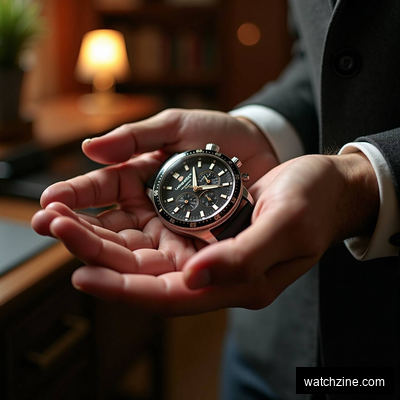
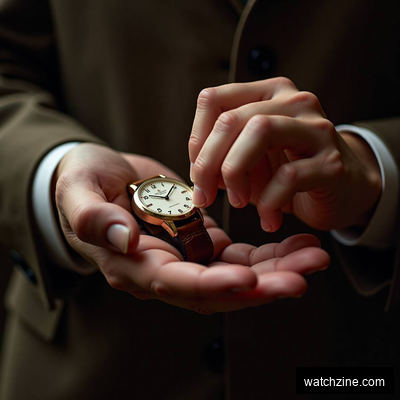
Timepieces, spanning from the intricately designed pocket watches of the 19th century to the sleek, technologically advanced wristwatches of the 20th century, embody not just the technological advancements of their times but also the cultural shifts and fashion trends. For collectors, rare and vintage timepieces are not merely instruments for telling time but treasures that hold stories, craftsmanship, and history. This guide dives deep into the world of collecting rare and vintage timepieces, exploring everything from the basics of starting a collection to the nuanced strategies for identifying, acquiring, and caring for these exquisite pieces.
Collecting rare and vintage timepieces is both a passion and an investment. Understanding the market, the pieces' provenance, and their potential future value requires expertise, research, and sometimes a bit of intuition. This guide aims to equip both budding and seasoned collectors with the knowledge and insights needed to navigate the complex yet rewarding world of timepiece collection.
In delving deeper into the realm of timepieces introduced in the previous section, we uncover a rich tapestry of craftsmanship and innovation that has evolved over centuries. From the iconic Swiss-made mechanical movements to the cutting-edge smartwatches revolutionizing the industry today, the world of horology continues to captivate enthusiasts worldwide. This Introduction sets the stage for an exploration of the fascinating evolution of timekeeping devices.
Understanding the Market for Rare and Vintage Timepieces
The market for rare and vintage timepieces is vast and varied, with pieces ranging from a few hundred to millions of dollars. Key factors influencing the value of a timepiece include its rarity, condition, historical significance, and brand. For instance, brands like Rolex, Patek Philippe, and Audemars Piguet often fetch high prices due to their reputation for quality, durability, and timeless design. A Rolex Daytona once owned by Paul Newman set a record by selling for $17.8 million in 2017, highlighting the potential value of owning historically significant timepieces.
However, the market is also influenced by trends. For example, military watches from World War II have seen a surge in popularity, as have 1970s sports watches with unusual case shapes. Collectors need to stay informed about market trends, which can shift due to a variety of factors, including celebrity endorsements, brand reissues of vintage models, and global economic conditions.
Exploring the nuances of the rare and vintage timepiece market unveils a fascinating world where history and craftsmanship converge. From iconic Rolex Daytonas to intricate Patek Philippes, each timepiece tells a unique story that resonates with collectors and enthusiasts alike. Understanding the market involves delving into the provenance, condition, and rarity of these horological treasures, creating a dynamic landscape where passion and investment intersect.
Identifying and Acquiring Rare Pieces
Identifying and acquiring rare timepieces requires diligence, research, and sometimes a network of fellow collectors and dealers. The first step is to educate oneself about the hallmarks of genuine and high-quality pieces. This includes understanding the brand's history, recognizing the signs of originality (such as serial numbers, hallmarks, and signatures), and knowing the particular model's specifications.
Acquisition can take many forms, from auctions to private sales and online marketplaces. Auction houses like Sotheby's and Christie's regularly feature rare and vintage timepieces, offering collectors the opportunity to acquire sought-after models. However, it's crucial to approach auctions with caution, armed with research and sometimes a set budget, to avoid overbidding. Online platforms offer another venue for finding rare pieces, though verifying the authenticity of a piece can be more challenging. Building relationships with reputable dealers can also provide collectors with access to high-quality, authentic pieces.
When delving into the world of rare pieces, enthusiasts often turn to specialized auction houses and reputable dealers for unique finds. Beyond the thrill of the hunt, acquiring rare pieces can also serve as a valuable investment, with certain items appreciating significantly in value over time. Whether it's a vintage watch with a storied past or a limited edition collectible, the pursuit of rare pieces can be a rewarding journey for passionate collectors.
Caring for Your Collection
Once a rare or vintage timepiece is acquired, proper care and maintenance are crucial to preserving its value and functionality. This includes regular servicing by a qualified watchmaker, particularly for mechanical watches, which should be serviced every 3 to 5 years. Storage is also important; timepieces should be kept in a dry, temperature-controlled environment, away from sunlight and magnetic fields, which can damage the watch's movement.
Insurance is another consideration. Due to their value and collectibility, insuring your timepieces against loss, theft, and damage is advisable. Keep detailed records and appraisals for each piece, as these will be necessary for insurance purposes and future sales.
In addition to regular cleaning and servicing, protecting your watch collection from extreme temperatures is essential. Sudden changes in temperature can affect the delicate internal components, leading to costly repairs. Consider storing your timepieces in a temperature-controlled environment or using a watch winder to maintain their optimal performance and longevity.
The Future of Collecting
The future of collecting rare and vintage timepieces looks promising, with increasing interest from collectors and investors alike. The rise of digital platforms has made it easier for collectors to connect, share knowledge, and find rare pieces. However, this accessibility also means collectors must be more vigilant about authenticity and provenance.
Sustainability and ethical collecting have also become important considerations. As the world becomes more conscious of environmental impact and ethical practices, collectors are increasingly looking at the sustainability of their collections, from the materials used in the timepieces to the ethics of the brands they support.
As technology advances, the future of collecting is evolving beyond physical items to include digital assets like NFTs. Collectors are now seeking unique digital art pieces, virtual real estate, and even digital fashion items. This shift opens up a whole new realm of possibilities for collectors, offering a blend of traditional and modern approaches to collecting.
Conclusion
Collecting rare and vintage timepieces is a journey that combines passion with knowledge, research, and a keen eye for detail. It offers not only the thrill of the hunt and the joy of acquisition but also the satisfaction of preserving pieces of history. By understanding the market, carefully selecting and acquiring pieces, and diligently caring for their collection, collectors can enjoy their timepieces for years to come, potentially passing them on as valuable heirlooms.
Whether you're a seasoned collector or new to the world of rare and vintage timepieces, remember that each piece is unique, with its own story and character. The world of timepiece collection is rich and diverse, offering endless opportunities for discovery and appreciation. With the right approach, collecting rare and vintage timepieces can be an incredibly rewarding experience, both personally and financially.
As we reach the conclusion of our exploration into the world of rare timepieces, it becomes evident that each watch holds a unique story waiting to be discovered. From the intricate craftsmanship of vintage Swiss pieces to the historical significance of limited edition releases, every timepiece adds a layer of richness to the collector's journey.